

Brand Identity vs Brand Strategy: How to Grow Ecommerce
Understand brand identity vs brand strategy for ecommerce, with practical steps to build a recognizable online store brand and support sustainable growth.

An attractive online store can capture attention, but a strong brand gives customers a reason to remember it, trust it, and buy from it again. For eCommerce businesses, understanding brand identity vs brand strategy is essential to building a recognizable brand that supports long-term growth.
Brand identity defines how your business looks, sounds, and feels to customers. Brand strategy determines who you serve, how you position your products, and why customers should choose you over competitors. Both work together to shape the customer experience, strengthen brand recognition, and guide your marketing decisions.
What Is the Difference Between Brand Identity and Brand Strategy in Ecommerce?
The main difference between brand identity and brand strategy is their purpose. Brand strategy defines the direction of your business, while brand identity communicates that direction through consistent visual and verbal elements.
An eCommerce brand needs both. A clear strategy helps you understand your audience and stand out in the market. A consistent identity helps customers recognize your business across your website, social media, advertisements, packaging, and emails.
What Is Ecommerce Brand Identity?
Ecommerce brand identity includes the visual and verbal elements that make an online business recognizable. It shapes how customers experience your brand whenever they interact with your store.
Common elements include:
Logo and colors: Help customers recognize your business.
Typography and imagery: Create a consistent visual style.
Brand voice: Defines how your business communicates.
Packaging and design: Extend your identity beyond the website.
Brand guidelines: Help maintain consistency across marketing channels.
For example, an online skincare store might use soft colors, clear product photography, simple packaging, and a reassuring tone to communicate a clean, approachable brand.
What Is Brand Strategy for Ecommerce Growth?
Brand strategy is the plan that guides how your business competes, communicates value, and builds customer relationships. It connects your audience, positioning, brand promise, and business goals.
A practical eCommerce brand strategy defines:
Your ideal customers and their needs.
Your unique value proposition.
Your market positioning and competitive difference.
Your brand purpose, personality, and promise.
Your marketing priorities and customer experience.
Your long-term growth objectives.
For example, the skincare store might position itself around transparent ingredients and straightforward product information. That strategic decision influences its messaging, product pages, advertising, and visual identity.
Brand Identity vs Brand Strategy: Key Differences
Brand identity: How customers recognize and experience your brand.
Brand strategy: Why your brand exists, whom it serves, and how it competes.
Visual identity: The design elements that express your brand.
Brand positioning: The place you want your brand to occupy in customers' minds.
Logo design: One part of identity, not a complete branding strategy.
Brand purpose: A guiding reason for the business that can inform its strategy and messaging.
The key takeaway is simple: a logo cannot compensate for unclear positioning, and a good strategy cannot reach customers effectively if your brand communicates inconsistently.
Why Ecommerce Businesses Need Both Brand Identity and Strategy
A consistent brand can help customers recognize your business, but recognition alone does not guarantee sales. Your products, pricing, service, and messaging must give people a reason to choose you.
Brand identity and strategy work together in several important ways:
Build customer trust: Consistent visuals and clear product information help customers understand what to expect.
Differentiate your store: Strong positioning gives customers a reason to consider your products instead of similar alternatives.
Improve marketing consistency: A shared brand direction keeps advertisements, social posts, emails, and product pages aligned.
Support customer retention: A reliable experience helps customers decide whether to return after their first purchase.
Guide business decisions: Your strategy helps you prioritize the products, audiences, and marketing channels that fit your goals.
For example, an online clothing store might compete on durable everyday essentials rather than low prices. Its strategy defines that position, while its identity uses consistent photography, product descriptions, packaging, and messaging to reinforce it.
The result is a clearer customer experience. However, branding works best when the products and service consistently deliver on the promises the business makes.
How to Develop a Strong Ecommerce Brand Identity
Ecommerce brand identity development starts with understanding what you want customers to recognize and remember. You do not need an elaborate design system at the beginning, but you do need consistent choices.
1. Define Your Brand Personality and Voice
Decide how your business should sound. Your tone might be friendly, expert, playful, premium, or practical, depending on your audience and market position.
Create a short voice guide with preferred phrases, writing principles, and examples. Apply it to product descriptions, customer support messages, email campaigns, and social media captions.
2. Create a Consistent Visual Identity
Choose a logo, color palette, typography, and imagery that support your positioning. Make sure customers can read your content easily and view product images clearly on mobile devices.
Use brand guidelines to document these decisions. Your guidelines should explain how to use your logo, colors, fonts, photography, and design elements across different channels.
3. Apply Your Identity Across Every Customer Touchpoint
Your digital storefront branding should remain consistent throughout the customer journey.
Review these touchpoints:
Homepage: Communicate what you sell and whom you serve.
Product pages: Use clear descriptions, consistent images, and useful product details.
Checkout: Keep the design familiar and make payment and delivery information easy to understand.
Email marketing: Use recognizable templates and a consistent tone.
Packaging: Carry your visual identity into the physical product experience.
Customer support: Deliver service that reflects your brand promise.
4. Maintain Consistency as Your Store Grows
As your business expands, more people may create content, manage campaigns, and communicate with customers. Shared templates and documented guidelines help everyone follow the same standards.
Review your identity when your audience, product range, or positioning changes. Avoid redesigning your brand simply because a new visual trend becomes popular.
How to Build a Cohesive Ecommerce Brand Strategy
A cohesive brand strategy connects customer research, market positioning, business decisions, and marketing activity. It gives your team a clear direction instead of leaving each campaign to make its own promises.
1. Identify Your Ideal Customers
Start by understanding who is most likely to benefit from your products.
Research customer reviews, competitor reviews, purchase questions, customer support conversations, and feedback surveys. Look for repeated needs, objections, and reasons people choose one product over another.
Build a simple customer profile that identifies:
The customer's main problem or need.
What influences their purchasing decision.
Their budget and quality expectations.
Their concerns about buying online.
The benefits they value most.
Use evidence from your actual audience where possible rather than relying only on assumptions.
2. Establish Your Brand Positioning and Value Proposition
Brand positioning explains how you want customers to perceive your business compared with alternatives.
Ask yourself three questions:
Who do we serve best?
What meaningful benefit do we provide?
Why should customers choose us over other options?
For example, an online homeware store could focus on practical, space-saving products for apartment residents. That position gives the business a clearer direction for product selection, content, photography, and advertising.
Avoid claims such as “best quality” or “lowest prices” unless you can support them with a meaningful, credible difference.
3. Define Your Brand Promise and Messaging
Your brand promise sets an expectation about the experience customers should receive. It might focus on product durability, transparent ingredients, helpful support, or convenient delivery.
Translate that promise into clear messaging across your website and campaigns. If your brand emphasizes transparency, for example, provide accurate product specifications, explain relevant materials, and communicate delivery costs before checkout.
Your actual service must support your message. Strong branding cannot compensate for misleading product descriptions or repeated delivery problems.
4. Connect Your Strategy to an Ecommerce Marketing Framework
Your ecommerce marketing framework should turn brand strategy into coordinated activity across channels.
SEO: Create useful content that addresses customer questions and demonstrates product relevance.
Social media: Share content that reflects your brand personality and customer interests.
Paid advertising: Use messages and creative assets that reinforce your positioning.
Email marketing: Send relevant product information, updates, and post-purchase communication.
Conversion optimization: Make product information, navigation, and checkout easier to use.
Customer retention: Improve the post-purchase experience and give customers relevant reasons to return.
These channels should support the same brand direction without using identical messages everywhere. Adapt the format to each platform while keeping the underlying promise consistent.
How Brand Identity and Strategy Work Together to Grow Ecommerce
The strongest eCommerce brands connect their business positioning with every customer-facing detail. Their identity does not simply look attractive; it communicates what makes the business relevant to its audience.
Consider a hypothetical sustainable skincare store.
Its brand strategy:
Serve customers who value ingredient transparency.
Differentiate through clear product information and responsible sourcing.
Build customer confidence through honest messaging.
Its brand identity:
Use clean product photography and readable packaging.
Maintain consistent colors, typography, and brand voice.
Present product details in a clear, recognizable format.
Its customer experience:
Explain ingredients and product benefits accurately.
Set realistic expectations about delivery and returns.
Send helpful post-purchase emails and product care guidance.
These elements reinforce one another. The strategy defines the promise, the identity communicates it, and the customer experience determines whether the business delivers on it.
For a direct-to-consumer (DTC) brand, this connection matters across the entire buying journey. Customers may first encounter a product through social media, compare alternatives on a website, and later receive an email about a repeat purchase. Each interaction should feel like part of the same brand.
How to Measure the Impact of Ecommerce Branding
Branding is not measured by visual appeal alone. Businesses should assess whether their brand identity and strategy help customers understand their offer, engage with the store, and return when they need the product again.
Track these key metrics:
Conversion rate: The percentage of visitors who complete a purchase.
Repeat purchase rate: The proportion of customers who buy again within a defined period.
Customer acquisition cost (CAC): The average cost of acquiring a customer.
Customer lifetime value (CLV): The estimated value a customer generates over the relationship.
Branded search demand: How often people search for your business or brand name.
Customer feedback: Reviews, surveys, and comments that reveal how people perceive your business.
Use analytics tools to establish a baseline before making major changes. Then compare performance over a suitable period and consider other factors, including discounts, pricing, product availability, and advertising spend.
For example, if a store redesign improves conversion rates, investigate whether clearer product information, faster page loading, or easier navigation contributed to the change. Do not automatically attribute every improvement to branding.
Common Ecommerce Branding Mistakes to Avoid
Even businesses with good products can weaken their brand through inconsistent decisions. Watch for these common mistakes:
Choosing a logo before defining positioning: Establish your audience and value proposition before finalizing visual design.
Copying competitors: Study competitors to understand the market, but develop a distinct reason for customers to choose you.
Using inconsistent messaging: Align your website, social media, advertising, and email communication.
Making unsupported promises: Ensure your claims about quality, sustainability, delivery, or performance match the evidence.
Ignoring the customer experience: Review checkout, returns, delivery communication, and customer support alongside your visual identity.
Redesigning without a clear objective: Identify the problem you want to solve and measure whether the changes improve the experience.
A strong brand does not require constant redesign. It requires clear decisions, consistent execution, and a willingness to improve based on customer feedback.
FAQs
What Is the Difference Between Brand Identity and Brand Strategy in Ecommerce?
Brand identity includes your logo, colors, typography, imagery, and tone of voice. Brand strategy defines your target audience, positioning, value proposition, and business direction. Identity communicates the strategy through recognizable customer experiences.
How Does Brand Strategy Increase Online Sales?
Brand strategy can support sales by clarifying your value proposition, improving audience targeting, and making marketing messages more relevant. Results depend on factors such as product quality, pricing, website usability, customer trust, and the effectiveness of your marketing.
Why Do Ecommerce Businesses Fail Without a Brand Identity?
Without a consistent identity, customers may struggle to recognize a business across different channels. However, inconsistent visuals are not the only reason businesses fail. Weak demand, poor product-market fit, pricing issues, and operational problems can also affect performance.
How to Build a Cohesive Ecommerce Brand Strategy?
Research your audience, define your positioning, establish a clear value proposition, and document your brand promise. Then align your website, product pages, advertising, social media, and customer communications with the same strategic direction.
Should a New Ecommerce Business Focus on Brand Identity or Brand Strategy First?
Start with brand strategy. Understand your audience, competitors, and value proposition before choosing your visual identity. This approach helps ensure that your design decisions support your business goals rather than simply follow current trends.
Build an Ecommerce Brand That Supports Long-Term Growth
Brand identity and brand strategy serve different purposes, but neither works as effectively in isolation. Your strategy defines whom you serve and why your business matters. Your identity makes that value recognizable across every customer touchpoint.
Start by reviewing your current store. Is your positioning clear? Does your visual identity reflect your promise? Do your product pages, marketing campaigns, and customer communications deliver a consistent experience?
Small, well-planned improvements can help create a stronger foundation for growth. Focus on what your customers need, communicate your value clearly, and measure the results.
How BrandVexo Can help!
BrandVexo helps businesses connect branding, digital marketing, website development, SEO, and automation with their wider growth goals. Our approach focuses on building a consistent digital presence that supports customer trust and measurable business outcomes.
If your eCommerce brand needs clearer positioning, a more consistent identity, or a stronger connection between branding and marketing, we can help you assess the opportunities and prioritize practical improvements.
Phone: +971 52 356 5409
Email: info@brandvexo.com
Website: www.brandvexo.com
Disclaimer: This article provides general information about eCommerce branding and marketing. Results vary depending on the business, audience, products, and execution.
Free growth plan
Ready to grow your business?
Reading is a start — now let's build it. Tell us where you want to grow and a senior strategist will map the fastest, most profitable way to get there. Free, no obligation.
Discussion
Join the conversation
Be the first to comment. Comments are reviewed before they appear, so yours won't show up instantly — but we read every one.
Leave a comment
Keep reading
All articles
Brand Messaging Framework for Growing B2B Teams
Build a B2B brand messaging framework that aligns sales and marketing, clarifies your value proposition, and helps growing teams communicate consistently.

Brand Messaging Framework for Growing Service Firms
Build a brand messaging framework for growing service firms with practical steps to clarify your value proposition, brand voice, positioning, and sales messaging.
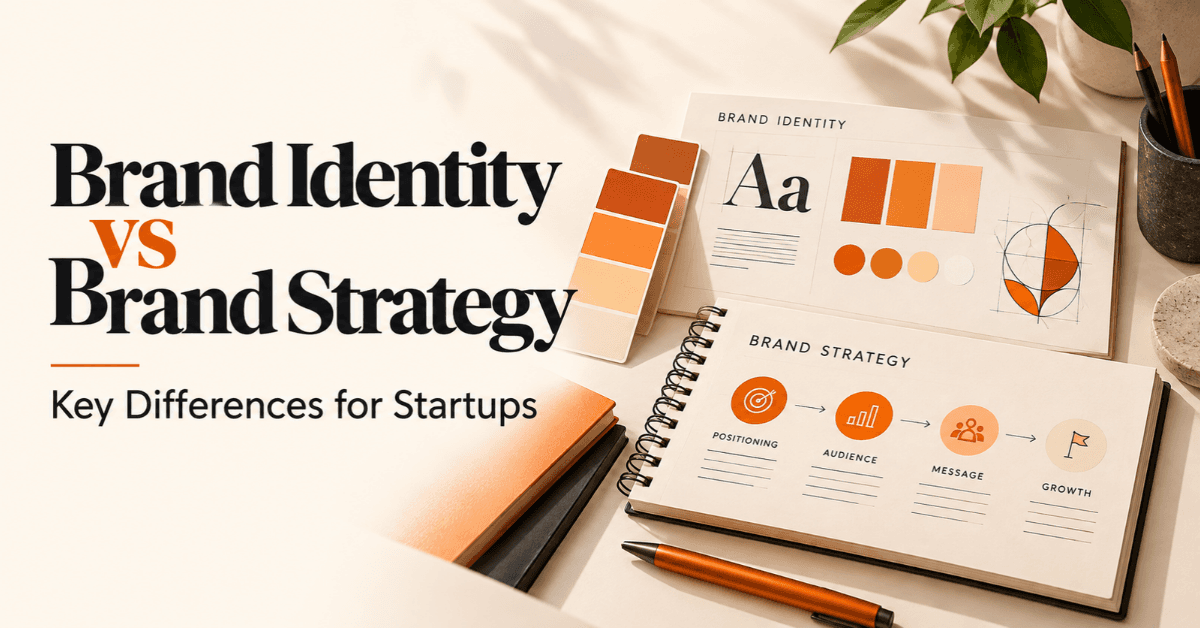
Brand Identity vs Brand Strategy for Startups: Key Differences
Compare brand identity vs brand strategy for startups, understand what comes first, and learn how to build a consistent brand that supports growth.