

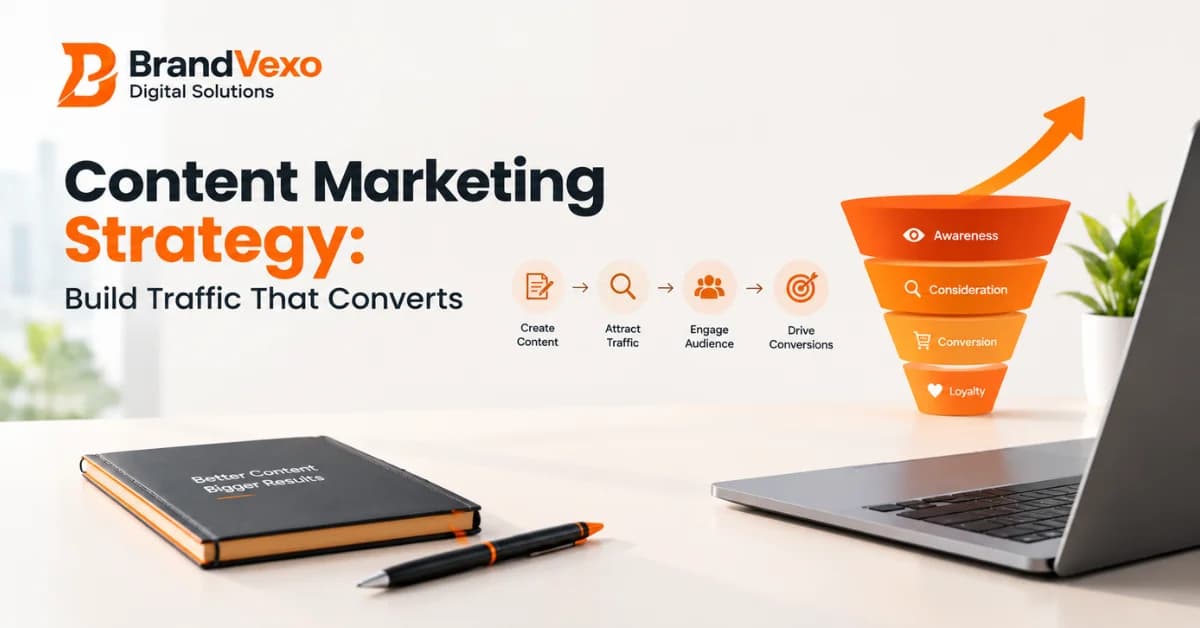
Content Marketing Strategy: Build Traffic That Converts
Getting website traffic is only the first step. If visitors read an article and leave without taking a meaningful next step, high traffic may not translate into business growth. A strong Content Marketing Strategy connects useful content with audience needs, search intent, and clear conversion paths.
Instead of publishing content simply to increase pageviews, businesses need a system that attracts the right people, answers their questions, builds trust, and guides them toward action. Google also recommends creating helpful, reliable, people-first content rather than content produced primarily to manipulate search rankings.
What Is a Content Marketing Strategy?
A Content Marketing Strategy is a structured approach to planning, creating, distributing, and measuring content to achieve specific business goals.
It connects several activities:
Business objectives
Audience research
Search intent
Keyword research
Content topics
Content formats
Distribution channels
Conversion opportunities
Performance measurement
The goal is not to create as much content as possible. The goal is to create content that serves a real audience need while supporting a clear business objective.
Google's people-first guidance also encourages publishers to create content for an existing or intended audience and provide enough value for readers to accomplish their goals.
Content Strategy vs. Content Marketing Strategy
A content strategy is broader. It can cover content planning, governance, publishing standards, content management, and the overall role of content within a business. Content marketing strategy focuses more specifically on using content to attract, engage, convert, and retain an audience.
Both work together. A business may have excellent content but still struggle with results if it lacks distribution, conversion paths, or measurable objectives.
Why Your Content Gets Traffic but Does Not Convert
One of the most common content marketing problems is generating visitors without generating business results. A page can rank for a popular keyword and still attract people who have no interest in buying the product or service. Other pages may answer a question so completely that visitors have no obvious next step.
Common reasons content fails to convert include:
The content targets the wrong audience.
Search intent does not match the business offer.
The article focuses only on information and ignores the buyer journey.
Internal links do not guide readers to relevant pages.
Calls-to-action are too generic.
The content has no clear conversion goal.
The landing page does not match the visitor's expectations.
The business measures traffic but not leads or revenue.
Traffic Is Not the Same as Business Growth
A useful way to understand content performance is:
Traffic → Engagement → Lead → Opportunity → Customer → Retention
Not every visitor should be expected to purchase immediately. Someone searching for basic information may be at the awareness stage, while another visitor comparing providers may already be close to making a decision.
Your content should give both audiences an appropriate next step.
How to Build a Content Marketing Plan That Converts
A content marketing plan turns your strategy into an actionable publishing and distribution system.
1. Define Your Business Goal
Start with the result you want from content.
Your goal could be to:
Generate qualified leads
Increase organic search traffic
Support the sales team
Build authority in a specific topic
Increase product sign-ups
Educate potential customers
Improve customer retention
A specific objective makes it easier to decide which topics and content formats deserve resources.
2. Define Your Ideal Audience
Avoid creating content for "everyone."
Identify the people most likely to need your solution. Consider their:
Industry
Role
Business size
Challenges
Goals
Buying triggers
Common objections
Questions
Search behavior
For example, a B2B technology company may target business owners looking for ways to automate repetitive processes rather than creating broad articles about technology.
3. Research Topics Around Real Problems
Strong topics usually start with customer problems rather than keyword volume alone.
Research:
Customer questions
Sales-team conversations
Support requests
Google search results
Related searches
People Also Ask results
Competitor content gaps
Industry discussions
Existing website performance
This helps create content that answers questions people genuinely need to solve.
4. Map Keywords to Search Intent
Search intent explains what the user actually wants.
Consider four broad types:
Informational: The user wants to understand something.
Commercial: The user is comparing solutions or providers.
Transactional: The user is ready to take action.
Navigational: The user is looking for a particular website or brand.
A good content strategy connects the keyword with the appropriate intent instead of forcing every keyword into a sales-focused article.
5. Give Important Content a Conversion Goal
Every major content asset should have a purpose.
A beginner guide may aim to build awareness. A comparison article may help users evaluate options. A case study can build trust, while a service page can capture high purchase intent.
This approach prevents content from becoming a collection of disconnected blog posts.
Build a Content Funnel That Moves Visitors Toward Conversion
A content funnel organizes content around the stages a potential customer moves through before taking action.
Top of Funnel: Attract the Right Audience
At the awareness stage, people are usually looking for information rather than a sales pitch.
Useful content includes:
How-to guides
Beginner articles
Educational blog posts
Problem-focused content
Industry explainers
Definitions and terminology guides
The priority is to answer the user's question clearly and establish your website as a useful resource.
Middle of Funnel: Build Trust and Consideration
At this stage, readers understand their problem and are exploring possible solutions.
Useful formats include:
Comparison articles
Case studies
Detailed guides
Checklists
Webinars
Research reports
Solution-focused articles
Internal links can move readers from educational content to more detailed resources and relevant commercial pages.
Bottom of Funnel: Convert Intent Into Action
High-intent visitors may be ready to contact a company, request a quote, book a consultation, sign up, or make a purchase.
Content can include:
Service pages
Product pages
Pricing information
Demo pages
Implementation guides
Customer proof
Frequently asked questions
The conversion does not always need to be a purchase. A qualified enquiry, consultation request, or email signup can also represent an important conversion.
Create Content Around Topics, Not Just Keywords
A modern content strategy should build topical depth instead of producing isolated articles around individual keywords.
Build Topic Clusters
A simple structure looks like this:
Pillar page → Supporting articles → Internal links → Commercial page
For example, a pillar page about Content Marketing Strategy could link to supporting content about:
Content marketing plans
Content funnels
Content distribution
Content calendars
SEO content strategy
Content performance
Content ROI
Those supporting pages can then link naturally back to the main resource and relevant conversion pages.
Use Internal Links to Guide the Buyer Journey
Internal links should help readers find their next useful resource.
Instead of adding links simply for SEO, ask:
"What would this reader logically want to read next?"
A beginner guide might link to an advanced guide. An advanced guide might link to a case study. A case study might link to a relevant service page.
This creates a better user journey while also helping search engines discover and understand related pages. Google's Search Essentials recommends making links crawlable so Search can find other pages on a website.
Choose the Right Content Formats for Each Stage
Different questions require different formats.
A business may use:
Blog posts for educational searches
Case studies for trust
Checklists for practical guidance
Templates for lead generation
Videos for demonstrations
Webinars for deeper education
Comparison pages for commercial research
Landing pages for conversion
Email content for nurturing
Do not choose a format simply because it is popular. Match it to the audience's needs and the complexity of the topic.
Content Distribution: Get Your Content in Front of the Right People
Publishing an article does not guarantee that your audience will find it.
Organic Search
Optimize content around the actual search intent while maintaining useful, natural language.
Important areas include:
Descriptive titles
Helpful headings
Relevant keywords
Strong internal linking
Useful supporting information
Descriptive image alt text
Accessible page structure
Clear author and business information
Google's current guidance says foundational SEO best practices remain relevant for both traditional Search and generative AI features.
Social Media and Community Distribution
Repurpose useful content across relevant channels.
For example, one detailed article can become:
LinkedIn posts
Short educational videos
Social media carousels
Email content
Short-form tips
Discussion prompts
The purpose is not to copy the same article everywhere. Adapt the idea to the audience and format.
Email Distribution
Email can bring previous visitors back to your website and support lead nurturing.
Businesses can use:
New-content emails
Educational sequences
Lead-magnet follow-ups
Content recommendations
Product education
Customer onboarding content
How to Make Content Convert Without Being Salesy
Content should help the reader before asking for action.
Match the CTA to Search Intent
For an informational visitor:
"Read the complete checklist."
For someone comparing solutions:
"Explore the available options."
For a high-intent visitor:
"Request a consultation."
The CTA should feel like a natural continuation of the content.
Use Contextual Calls-to-Action
A generic "Contact Us" button may not be appropriate after every paragraph.
Instead, connect the CTA with what the reader has just learned.
For example, an article about improving SEO could offer an SEO audit or relevant strategy guide as the next step.
Build Trust Before Asking for the Sale
Strong content can demonstrate expertise through:
Original examples
Practical recommendations
Transparent explanations
Relevant data
Case studies
Clear authorship
First-hand insights
Accurate sourcing
Google's guidance specifically encourages clear information about who created content and emphasizes experience, expertise, authoritativeness, and trustworthiness as useful concepts for evaluating content quality.
Measure Content ROI, Not Just Traffic
Content ROI helps determine whether your investment in content contributes to meaningful business outcomes.
Useful metrics include:
Organic traffic
Engaged sessions
Returning visitors
Conversion rate
Leads generated
Qualified leads
Assisted conversions
Customer acquisition cost
Revenue influenced by content
A simple ROI formula is:
Content ROI = (Revenue Attributed to Content − Content Cost) ÷ Content Cost × 100
Attribution is not always straightforward. A customer may read a blog post, see a social post, receive an email, and later contact the business directly. The important thing is to choose a consistent measurement approach rather than relying on a single metric.
Content Marketing Strategy Example
Consider a UAE-based B2B service business that wants more qualified enquiries.
Instead of publishing unrelated articles every week, the business could build a focused topic cluster around a core customer problem.
The journey might look like:
Google search → Helpful article → Related guide → Downloadable checklist → Email nurture → Service page → Enquiry
The business can then monitor which articles attract relevant visitors, which pages generate leads, and which content assists conversions.
This approach gives content a role in the wider marketing system rather than treating the blog as a separate publishing channel.
Common Content Marketing Mistakes to Avoid
Avoid these problems when building your strategy:
Publishing without a defined business objective
Choosing topics only because they have high search volume
Ignoring search intent
Writing primarily for search engines
Creating articles without internal links
Using the same CTA everywhere
Measuring only pageviews
Ignoring content distribution
Creating multiple pages with little unique value
Failing to update declining content
Producing content without adding original insight
Google's current guidance emphasizes unique, valuable, non-commodity content and warns against creating large amounts of content primarily to manipulate Search or generative AI visibility.
A Simple Content Marketing Strategy Framework
Use this seven-step framework to plan your next content campaign:
Goal: What business result do you want?
Audience: Who needs your solution?
Intent: What does your audience want to accomplish?
Topics: Which problems should you answer?
Content: Which format best serves each intent?
Conversion: What should the reader do next?
Measurement: How will you measure content ROI?
This framework keeps content creation connected to business objectives from the beginning.
Frequently Asked Questions
What is a content marketing strategy?
A content marketing strategy is a structured plan for creating, distributing, and measuring content to attract a specific audience and support business goals such as leads, sales, authority, or customer retention.
What are the main parts of a content marketing strategy?
The main parts include business goals, audience research, search intent, topic planning, content creation, distribution, conversion paths, internal linking, and performance measurement.
What is the difference between content strategy and content marketing?
Content strategy covers the broader planning and management of content, while content marketing focuses on using content to attract, engage, convert, and retain an audience.
How does a content funnel work?
A content funnel guides people from awareness to consideration and eventually toward an action. Different content formats serve different stages of the buyer journey.
How do you measure content ROI?
Measure the business value generated by content against its cost. Track metrics such as leads, conversions, assisted conversions, acquisition cost, and revenue alongside traffic and engagement.
How long does content marketing take to generate results?
There is no universal timeline. Results depend on factors such as competition, website authority, content quality, search demand, distribution, and conversion processes. Businesses should monitor performance over time rather than expect every article to produce immediate results.
How BrandVexo Can Help!
BrandVexo Digital Solutions helps businesses build practical digital growth systems across digital marketing, SEO, web development, AI automation, and business solutions. Our approach focuses on useful strategies, measurable outcomes, and content that connects audience needs with commercial goals.
For businesses looking to strengthen their online presence, we can help identify content opportunities, improve search visibility, and build digital systems designed around sustainable growth.
Phone: +971 52 356 5409
Email: info@brandvexo.com
Website: www.brandvexo.com
Final Thoughts
A successful Content Marketing Strategy is not about publishing the largest number of articles. It is about creating useful content for a clearly defined audience and connecting that content to a logical customer journey. Start with the business goal. Understand the audience. Match content to search intent. Build a useful content funnel, strengthen internal linking, distribute content through the right channels, and measure results beyond traffic.
Most importantly, keep improving based on what your audience actually finds useful.
If your current content attracts visitors but produces few meaningful actions, review the journey from search → content → trust → conversion. Finding the gap between those stages can often reveal where your content strategy needs the most improvement.
Disclaimer: This article provides general digital marketing and SEO information for educational purposes. Search performance and marketing results vary by industry, competition, audience, website quality, and implementation.
Free growth plan
Ready to grow your business?
Reading is a start — now let's build it. Tell us where you want to grow and a senior strategist will map the fastest, most profitable way to get there. Free, no obligation.
Discussion
Join the conversation
Be the first to comment. Comments are reviewed before they appear, so yours won't show up instantly — but we read every one.
Leave a comment
Keep reading
All articles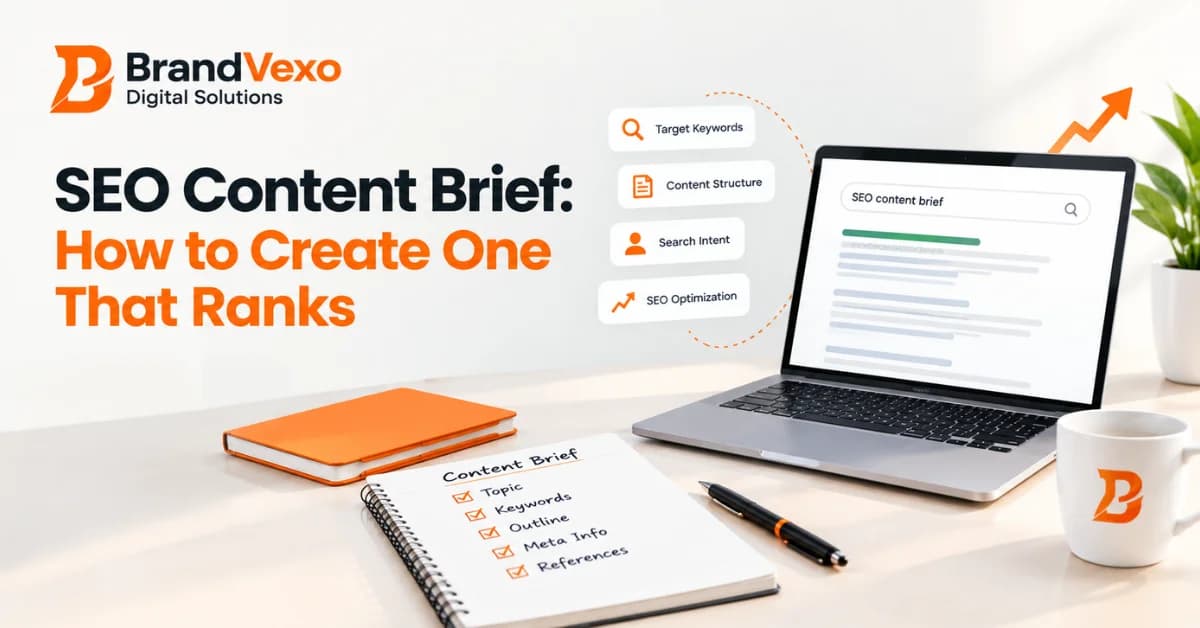 Growth
Content Audit Checklist: What to Update, Merge or Delete
Use this Content Audit Checklist to find outdated, duplicate, and low-value pages, then decide what to update, merge, redirect, or delete.
 Growth
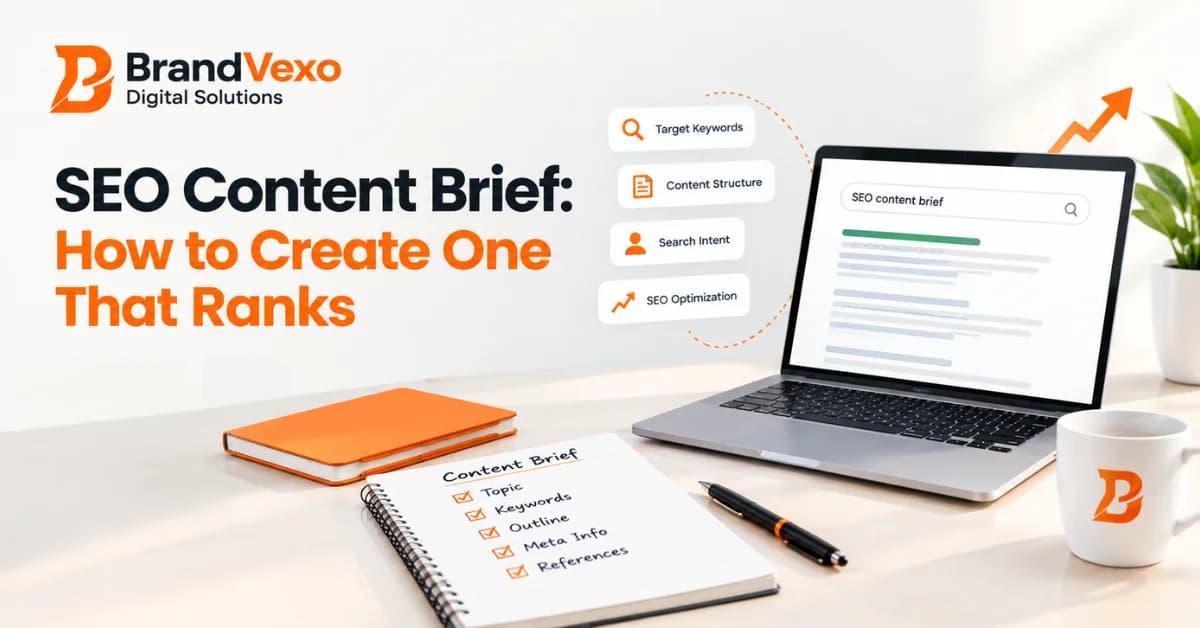
SEO Content Brief: How to Create One That Ranks
Learn how to create an SEO content brief with search intent, keyword research, SERP analysis, content gaps, structure, and a practical template.
 Growth
Ecommerce Marketing UAE: Growth Strategies for 2026
Explore Ecommerce Marketing UAE strategies for 2026, including SEO, paid ads, social commerce, CRO, AI, retention, and online store growth.