How to Choose the Right Website Development Company
Learn how to choose the right website development company by comparing experience, technical skills, pricing, SEO expertise, services and support.
Choosing the right Website Development Company is an important decision for any business planning to establish or improve its online presence. A professional website does more than display business information. It helps attract potential customers, communicate brand value, generate enquiries and support long-term growth. However, choosing the wrong development partner can result in slow loading pages, poor navigation, security problems and unnecessary development costs.
With many agencies and freelance developers offering website development services, businesses need to evaluate more than design samples and pricing. Technical expertise, industry experience, SEO knowledge, communication, website ownership and post-launch support all matter.
Why Choosing the Right Website Development Company Matters
Your website often creates the first impression potential customers have of your business. A poorly designed or difficult-to-use website can reduce trust and discourage visitors from contacting you. In contrast, a well-planned website makes it easier for people to understand your services, find important information and take action.
A professional website development company considers your business goals before selecting technologies or designing pages. It builds a website around your audience, services and expected customer journey.
The right development partner can help your business:
Build brand credibility: Present your business professionally through consistent design and useful content.
Improve user experience: Make navigation simple and information easy to find.
Support search visibility: Create an SEO-friendly website structure that search engines can understand.
Generate more enquiries: Place clear calls to action and contact options throughout important pages.
Prepare for future growth: Build a website that can support additional services, content and integrations.
How Professional Website Development Supports Business Growth
Consider a service-based business that receives website visitors but very few enquiries. The problem might not be its marketing campaign. Visitors may struggle to find service details, understand the company's value or complete the contact form.
A development team can address these issues through clearer page layouts, better navigation, faster loading times and more visible enquiry options.
This demonstrates why businesses should treat website development as a business investment rather than simply a design expense.
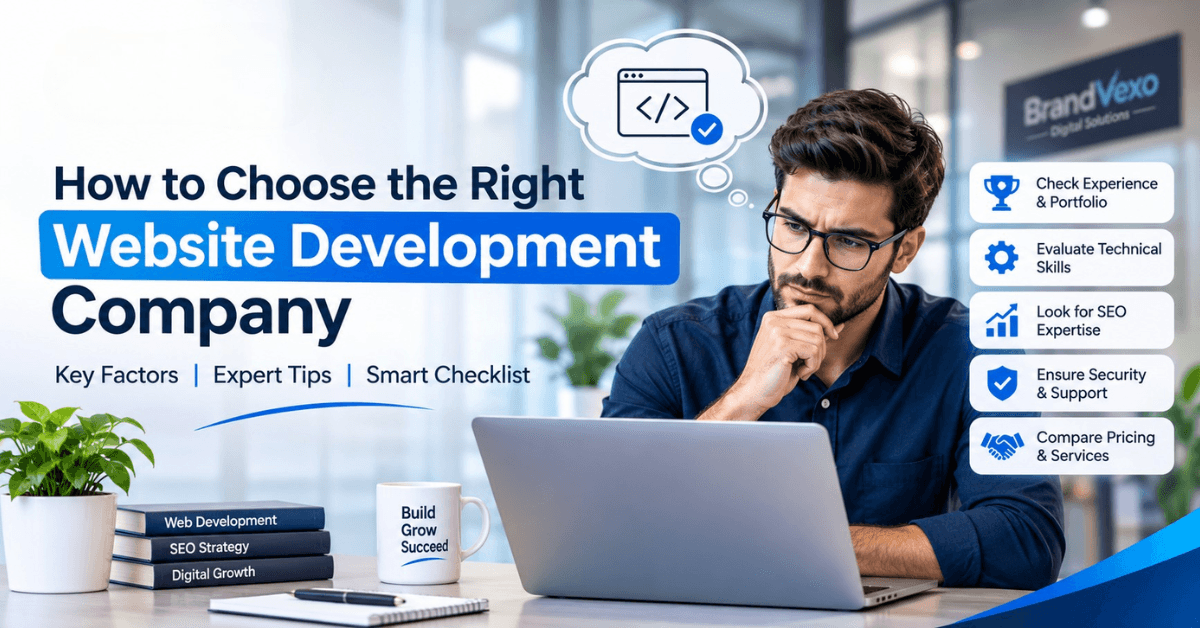
10 Important Factors to Consider When Choosing a Website Development Company
Before hiring a development partner, evaluate its experience, technical capabilities and working process. The following factors can help you make a more informed decision.
1. Review the Company's Portfolio and Previous Projects
A company's portfolio provides useful evidence of its development experience. Review completed websites to understand the quality of its design, functionality and technical execution.
Do not focus only on attractive screenshots. Open the actual websites and test how they work.
Check whether the company has:
Developed websites for businesses in your industry.
Created different types of websites, such as corporate sites, blogs and online stores.
Delivered responsive designs for mobile devices.
Built clear navigation and user-friendly layouts.
Integrated contact forms, booking systems or other business tools.
Pay attention to how well each website communicates the business's services. A strong portfolio should demonstrate practical problem-solving, not just visual creativity.
2. Evaluate Technical Skills and Development Expertise
A reliable web development company should understand the technologies required to build and maintain your website.
Different projects need different development solutions. For example, a simple business website may work well with WordPress, while an e-commerce store may require Shopify or a more customised platform.
Ask about the company's experience with:
HTML, CSS and JavaScript.
WordPress, Shopify and Webflow.
Front-end and back-end development.
Database management.
Payment gateway integrations.
API and third-party software integrations.
Custom website development.
The company should explain why it recommends a particular platform instead of selecting technology simply because its developers already use it.
3. Check UI/UX Design and Mobile Responsiveness
User interface (UI) design focuses on how a website looks, while user experience (UX) focuses on how people interact with it.
Both areas influence how easily visitors can navigate your website and complete important actions.
A professional website development company should consider:
Clear menus and page navigation.
Readable fonts and appropriate spacing.
Consistent colours and branding.
Easy-to-use contact forms.
Visible calls to action.
Mobile-friendly layouts.
Accessible design elements.
Mobile responsiveness is particularly important because customers may visit your website using smartphones, tablets and desktop computers.
Test the company's previous projects on different screen sizes. Buttons, images, menus and forms should work properly without forcing users to zoom or scroll horizontally.
4. Look for SEO-Friendly Website Development
Search engine optimisation should be part of the development process from the beginning. Adding SEO after launching a website may require structural changes that increase costs and delay improvements.
A development partner should understand how technical website decisions affect search engine accessibility and user experience.
Check whether the website development company considers:
Search-friendly URL structures.
Proper H1, H2 and H3 heading organisation.
Editable page titles and meta descriptions.
Mobile-first responsive design.
Image compression and descriptive alt text.
XML sitemaps and robots.txt.
Internal linking opportunities.
Structured data where appropriate.
Website loading speed and Core Web Vitals.
Core Web Vitals measure important aspects of user experience, including loading performance, interactivity and visual stability.
You can use Google PageSpeed Insights to assess website performance and identify improvement opportunities.
Remember that SEO-ready development does not guarantee higher Google rankings. Content quality, relevance, competition and other search signals also influence visibility.
5. Compare Custom Website Development vs Templates
Businesses often choose between custom website development and pre-designed website templates. Both approaches can work, but the right choice depends on your requirements.
Custom website development
Provides greater design flexibility.
Supports business-specific functionality.
Allows more control over the website structure.
Can accommodate complex integrations.
Offers flexibility for future development.
Template-based website development
Can reduce initial development time.
Often requires a smaller initial budget.
Provides ready-made layouts.
Works well for many standard business websites.
May limit design or functionality depending on the template.
For example, a small consultancy may need only a professional homepage, service pages and contact form. A suitable template could meet these requirements. However, a business with specialised booking systems, customer portals or complex integrations may benefit from a custom solution.
The best website development company will explain the advantages and limitations of each option before recommending one.
6. Understand Website Security and Data Protection
Website security protects your business information and helps maintain customer trust. Before hiring developers, ask how they handle security during development and after launch.
Important security considerations include:
HTTPS and SSL certificates.
Secure login and authentication.
Regular software and plugin updates.
Website backups.
Secure payment integrations.
Access control for administrators.
Protection against common website vulnerabilities.
If your website collects personal information or processes payments, discuss the security responsibilities and applicable privacy requirements.
Do not assume that installing an SSL certificate alone makes a website completely secure. Security requires ongoing maintenance and appropriate technical controls.
7. Evaluate Communication and Project Management
Even technically skilled developers can create problems when they communicate poorly or fail to manage project expectations.
Choose a company that explains its process clearly and keeps you informed throughout development.
Before signing an agreement, confirm:
Who will manage your project?
How frequently will you receive progress updates?
How will you provide feedback?
How many revision rounds are included?
Which project management tools will the team use?
How will delays or additional requirements be handled?
A clear development process should include planning, design approval, development, testing and launch.
You should also know what information, content and approvals the company needs from your side to keep the project moving.
8. Review Pricing and Contract Transparency
Website development costs vary according to project size, technical complexity, design requirements and additional services.
A low quotation does not always represent good value. Some providers exclude important services and introduce additional charges later.
Before accepting a proposal, check whether it clearly explains:
Number of website pages.
Design and development deliverables.
Content writing requirements.
Third-party integrations.
Hosting and domain charges.
Revision limits.
Payment milestones.
Maintenance and support costs.
Project delivery dates.
Request an itemised quotation and compare proposals based on their actual scope.
A transparent agreement should explain what the company will deliver, when it will deliver it and what happens if you request additional work.
9. Confirm Source Code and Website Ownership
Website ownership is an important issue that businesses sometimes overlook when hiring developers.
Before starting the project, clarify who owns the website design, source code and other intellectual property created during development.
Confirm that you will have the appropriate access to:
Domain registration.
Website hosting.
Content management system.
Source code and project files.
Website administrator accounts.
Design assets.
Relevant third-party licences.
Some developers use licensed themes, plugins or external software that remain subject to separate licensing conditions.
Ask the company to explain these limitations in writing. Your contract should clearly define ownership, transfer rights and access arrangements after project completion.
10. Check Post-Launch Maintenance and Support
Launching a website does not end your technical responsibilities. Websites need regular updates, monitoring and improvements to remain functional and secure.
Ask whether the company offers post-launch website maintenance and what its support packages include.
Useful services may include:
Software and plugin updates.
Regular backups.
Security monitoring.
Website performance checks.
Technical troubleshooting.
Content and image updates.
Form and integration testing.
Recovery support.
Also confirm how quickly the company responds to technical issues and whether maintenance is included in the initial development quotation or charged separately.
Questions to Ask a Website Development Company Before Hiring
Asking direct questions helps you understand whether a development partner can meet your expectations. Use the following checklist during your initial consultation.
How much experience do you have in website development?
Have you completed projects for businesses in my industry?
Which platforms and technologies do you recommend for my requirements?
Will you create a custom design or use an existing template?
Will the website be mobile-friendly and SEO-ready?
What is the estimated development timeline?
What services and features are included in your quotation?
Who will own the source code and website files?
Do you provide ongoing website maintenance?
How do you handle revisions, technical issues and future updates?
A reliable company should answer these questions clearly. It should also ask about your target audience, business objectives, competitors and required website features before preparing a proposal.
How Much Does Website Development Cost in 2026?
Website development costs depend on the type of website, design requirements, functionality and technology involved. A basic business website usually requires fewer resources than a custom e-commerce platform or complex web application.
Several factors influence the final quotation.
Key Factors That Affect Website Development Costs
Website size: More pages generally require additional design, content and development work.
Custom design: Unique layouts and branding requirements can increase project complexity.
E-commerce functionality: Product catalogues, checkout systems and payment integrations require additional development.
Third-party integrations: CRM systems, booking tools and external APIs can affect the budget.
CMS selection: Platform setup, customisation and licensing may influence costs.
Security requirements: Projects involving sensitive information may require additional security measures.
Maintenance: Ongoing updates, monitoring and support create recurring costs.
How to Compare Website Development Quotations
Do not compare website development companies using price alone. Check what each quotation includes and whether the proposed solution meets your actual requirements.
For example, one provider may include custom page designs, SEO setup, analytics and post-launch support, while another may quote only for basic website development.
Ask both providers to explain their deliverables before making a decision. This approach helps you understand the actual value of each proposal.
Freelance Web Developer vs Website Development Agency: Which Is Better?
The choice between a freelancer and a website development agency depends on your project requirements, budget and need for ongoing support.
When Should You Hire a Freelance Web Developer?
A freelancer may be suitable when:
You need a small business website.
Your project has limited technical requirements.
You need a simple landing page.
You have a clearly defined scope.
You prefer working directly with one developer.
However, confirm availability, project timelines and support arrangements before hiring.
When Should You Choose a Website Development Agency?
An agency may be a better option when:
Your project requires multiple technical skills.
You need design, development and SEO support.
Your website requires custom integrations.
You expect regular updates and maintenance.
You need a team to manage a larger project.
An agency can bring different specialists together, although its suitability still depends on its actual experience and working process.
Red Flags to Avoid When Hiring a Website Development Company
Not every development provider offers the same level of quality or reliability. Watch for warning signs before committing your budget.
Common red flags include:
No verifiable portfolio or previous work.
Unrealistically low quotations without a clear scope.
Guaranteed Google rankings or unrealistic SEO promises.
No written development agreement.
Unclear source code ownership.
Hidden fees and unexplained additional costs.
Poor communication during initial discussions.
No website security or backup plan.
No clear project delivery timeline.
No post-launch technical support.
A professional provider should explain its capabilities honestly, set realistic expectations and document the project requirements.
How to Choose a Website Development Company in Pakistan
Businesses in Pakistan have access to freelance developers, local agencies and international development providers. The challenge is finding a partner that combines technical expertise, clear communication and reliable project delivery.
When evaluating a website development company in Pakistan, review its portfolio, business presence, client feedback and development process.
What to Check When Hiring a Website Development Company in Lahore
If you are comparing providers in Lahore, consider the following:
Local experience: Review projects completed for businesses in Lahore and other Pakistani markets.
Technical expertise: Check whether the team can handle your required platform, integrations and website functionality.
Communication: Confirm that the team can provide regular updates and discuss project requirements clearly.
Transparent pricing: Request a written quotation with a clear breakdown of deliverables.
International standards: Evaluate mobile responsiveness, website security, performance and SEO practices.
Ongoing support: Confirm whether the provider can maintain and update your website after launch.
Location can make communication easier, but it should not be the only deciding factor. A company's technical capabilities, accountability and ability to deliver the required solution matter more.
Final Checklist Before Hiring a Website Development Company
Use this checklist to evaluate your shortlisted providers before signing an agreement.
Reviewed the company's portfolio and previous projects.
Checked relevant industry experience.
Evaluated technical capabilities.
Confirmed mobile responsiveness.
Discussed SEO and performance requirements.
Compared detailed development quotations.
Confirmed source code and website ownership.
Reviewed contract and payment terms.
Agreed on project milestones and delivery dates.
Confirmed post-launch maintenance and support.
A provider that meets these requirements and understands your business objectives is more likely to become a reliable development partner.
Conclusion
Choosing the right website development company requires more than comparing prices or reviewing attractive designs. You should evaluate technical expertise, portfolio quality, SEO knowledge, communication, security, ownership and ongoing support. A well-developed website should support your business objectives, provide a positive user experience and remain flexible as your company grows.
Take time to compare providers, ask relevant questions and understand the complete project scope before making your decision. The right development partner will focus on building a website that supports measurable business goals rather than simply delivering a collection of web pages.
FAQs
1. What should I look for when hiring a website development company?
Look for relevant experience, a strong portfolio, technical expertise, responsive design capabilities, SEO knowledge, transparent pricing and post-launch support. The company should also understand your business goals and explain how its proposed solution meets your requirements.
2. How much should a business website cost in 2026?
The cost depends on the number of pages, design complexity, functionality, integrations, CMS platform and maintenance requirements. A basic business website generally requires less development work than a custom e-commerce store or web application. Request an itemised quotation to understand the total investment.
3. Do I own the website code after a development company builds my website?
Ownership depends on the agreement between your business and the development company. Before signing, clarify ownership of the source code, design files and other deliverables. Also check whether third-party themes, plugins and software have separate licensing restrictions.
4. How long does it take a website development company to build a website?
The timeline depends on the website's size, design requirements, functionality and approval process. A simple business website may take considerably less time than a complex e-commerce platform. Content delays, revisions and integrations can also affect the final delivery date.
5. What is the difference between a freelance web developer and a website development agency?
A freelancer usually works independently and may suit smaller projects with limited requirements. An agency generally provides access to a team with different skills, including design, development and project management. Choose based on project complexity, support needs and available budget.
6. Is custom website development better than using a template?
Custom website development offers more flexibility for unique branding, functionality and integrations. Templates can provide a cost-effective solution for businesses with standard website requirements. The better option depends on your budget, technical needs and future growth plans.
How BrandVexo Can Help!
BrandVexo is a digital solutions company focused on helping businesses strengthen their online presence and achieve sustainable digital growth. We combine website development, SEO, digital marketing and AI automation to create practical solutions aligned with business objectives. Our approach focuses on website performance, search visibility, user experience and meaningful customer engagement. We help businesses build a stronger digital foundation and turn online opportunities into measurable growth.
Contact BrandVexo Digital Solutions
Phone: +971 52 356 5409
Email: info@brandvexo.com
Website: www.brandvexo.com
Explore our services:
Disclaimer: This article is for informational purposes only and provides general guidance on choosing a website development company. Development costs, services and technical requirements may vary depending on business needs, project complexity and provider expertise. Always evaluate your requirements before making a hiring decision.
Free growth plan
Ready to grow your business?
Reading is a start — now let's build it. Tell us where you want to grow and a senior strategist will map the fastest, most profitable way to get there. Free, no obligation.
Discussion
Join the conversation
Be the first to comment. Comments are reviewed before they appear, so yours won't show up instantly — but we read every one.
Leave a comment
Keep reading
All articles
Website Development Strategies for Business Growth in 2026
Explore Website Development Strategies for 2026, including mobile-first design, SEO, AI integration, website speed and conversion optimisation.
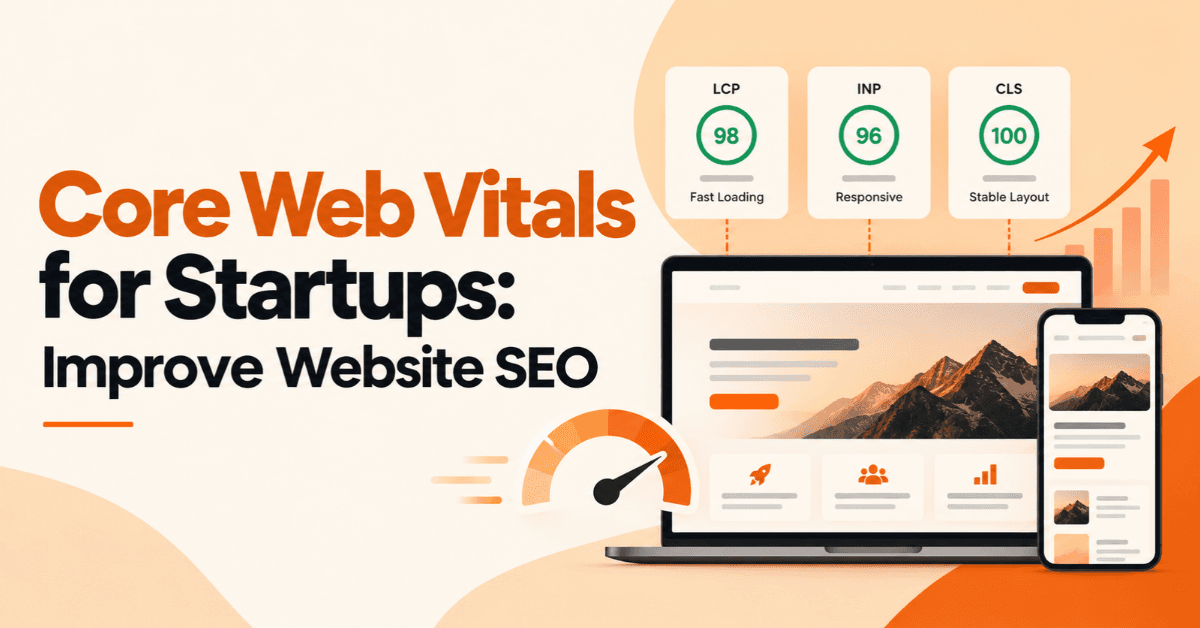
Core Web Vitals for Startups: Improve Website SEO
Learn how Core Web Vitals for Startups can improve website performance, user experience, mobile SEO, and your technical SEO strategy.
Website Development Dubai: Costs, Process and Choices
Explore Website Development Dubai, including website cost Dubai, development steps, platform choices, SEO, timelines, and tips for choosing a website company.